Protecting your child’s developing sight with expert advice on early detection, sports vision, myopia control and digital eye strain. Essential information for Australian parents on maintaining healthy eyes through critical developmental years.
At The Eye Practice, we understand parents’ concerns about their child’s vision. A child’s visual system develops rapidly from birth until around eight years of age, making early detection and management of eye conditions crucial for preventing permanent sight loss.
Contact lenses for active children
Sport and contact lenses – a winning combination
Contact lenses offer distinct advantages for children participating in sports. Unlike glasses, which risk breakage during physical activity, contact lenses provide enhanced peripheral vision that can improve athletic performance. This wider field of view proves particularly valuable in fast-paced sports like cricket, netball and football, where tracking movement from all directions matters.
Daily disposable lenses suit most young athletes, eliminating concerns about lens care after training or matches. The decision to fit contact lenses depends less on age and more on your child’s maturity and ability to follow proper insertion, removal and hygiene protocols.
Understanding eye turns and squints
When to seek immediate assessment
If you’ve noticed your child’s eye turning inward, outward, upward or downward – a condition called strabismus or squint – prompt professional examination is essential. The developing visual system can suppress images from a misaligned eye, leading to amblyopia (lazy eye) and permanent vision reduction if left untreated.
Children sometimes appear cross-eyed due to their facial structure rather than true eye misalignment. Only thorough examination by an optometrist or ophthalmologist can determine whether treatment is necessary. Early intervention during the critical developmental period offers the best outcomes.
Genetic influences on vision
Family history matters
Many refractive errors and eye conditions follow hereditary patterns. If you wear glasses or have been diagnosed with conditions like glaucoma, retinal disorders or significant refractive errors, your child faces increased risk of developing similar issues.
Australia’s Medicare system supports children’s eye examinations, making regular professional assessment accessible. Schedule your child’s first comprehensive eye examination around nine months of age if you have family history concerns, followed by routine checks every two years unless advised otherwise.
Managing childhood myopia progression
Slowing short-sightedness development
Short-sightedness (myopia) cannot be prevented, but emerging research demonstrates that its progression can be significantly slowed. Australian children face particular challenges, with outdoor time – protective against myopia development – often limited by our harsh UV environment and parental sun safety concerns.
Orthokeratology (corneal reshaping therapy) has emerged as an effective myopia management strategy. Specially designed rigid lenses, worn overnight, gently reshape the cornea whilst your child sleeps. Upon waking, lenses are removed and clear vision maintained throughout the day without glasses or contact lenses.
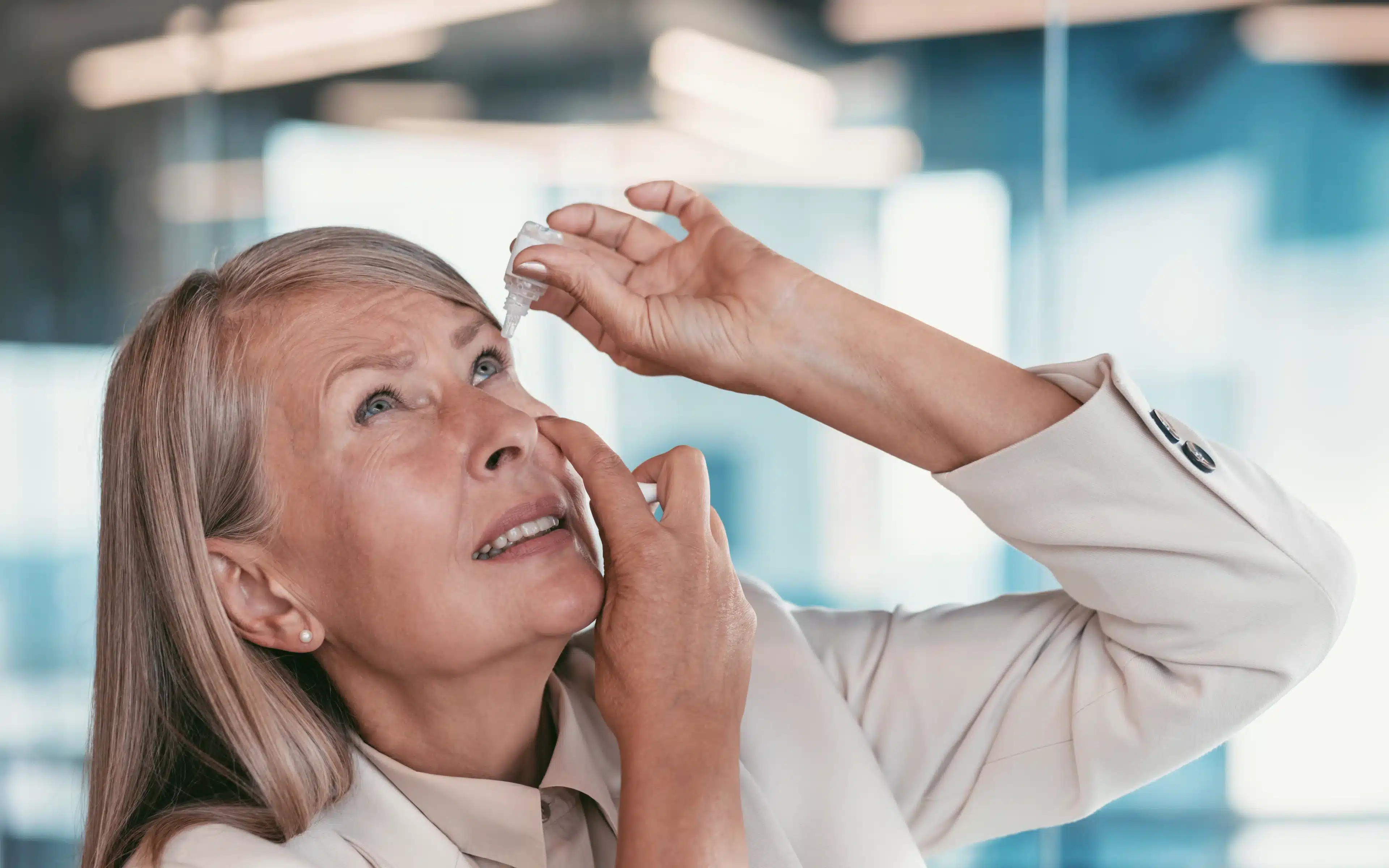
Research indicates orthokeratology can slow myopia progression by approximately 50%. Other options include low-dose atropine eye drops and specialised multifocal contact lenses or spectacle designs. Each approach suits different children depending on age, prescription and lifestyle factors.
Colour vision concerns
Detecting colour deficiencies early
Difficulty distinguishing between colours – particularly reds and greens – suggests possible colour vision deficiency. This inherited condition affects approximately 8% of males and 0.5% of females, with genetic transmission typically from carrier mothers to sons.
Whilst no treatment exists for inherited colour deficiency, early detection helps parents and teachers understand learning challenges. Children may struggle with colour-coded educational materials, traffic lights or certain sports where team identification relies on colour.
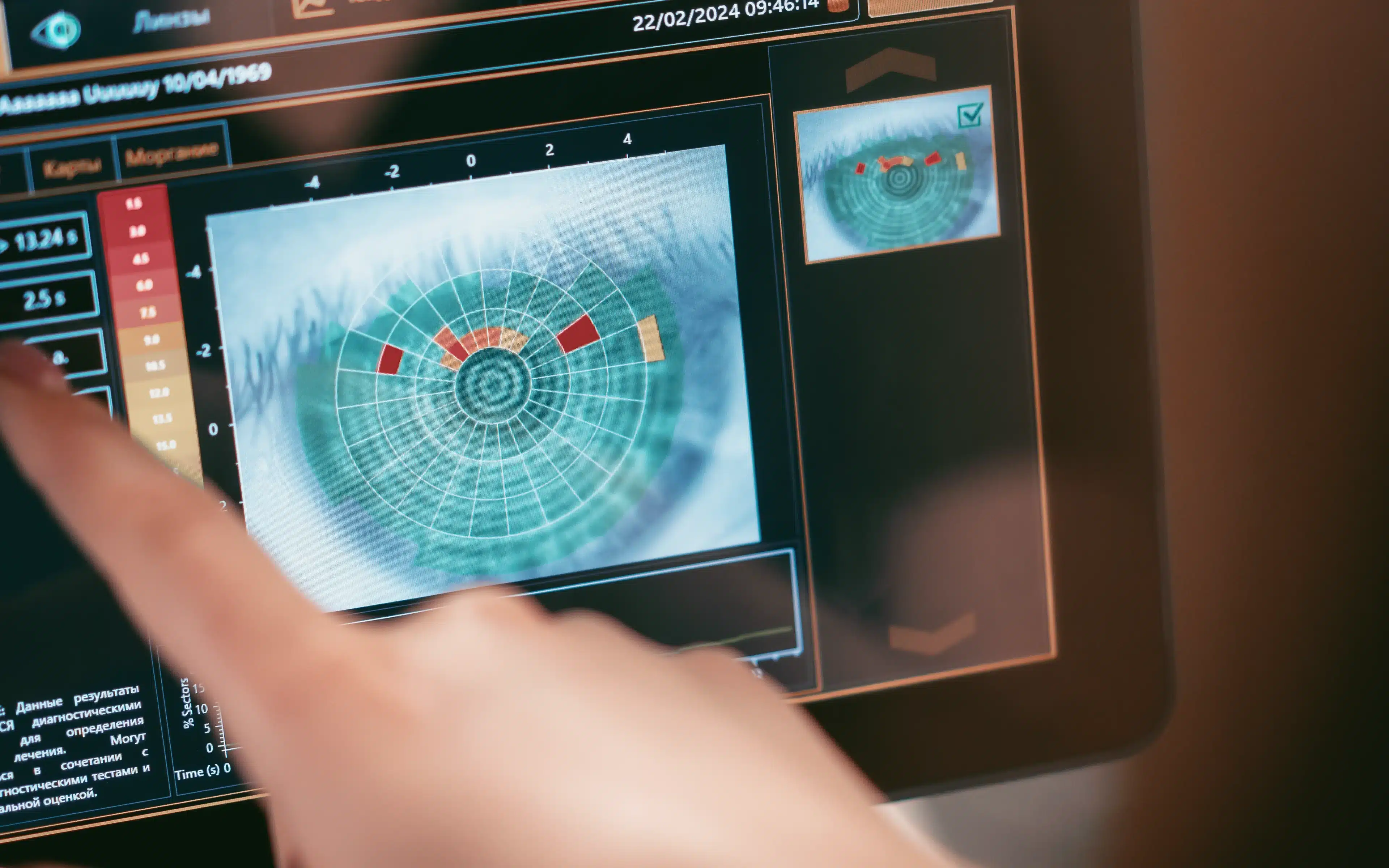
Comprehensive colour vision testing during routine eye examinations identifies deficiencies and their severity, allowing appropriate educational accommodations.
Digital device use and eye strain
Protecting young eyes in the screen age
Extended computer and device use strains the focusing system, causing symptoms including blur, headaches and eye discomfort. Australian children average over 7 hours daily screen time, significantly exceeding recommended guidelines.
The 20-20-20 rule provides effective relief: every 20 minutes, look at something 20 feet (approximately 6 metres) away for 20 seconds. This simple technique relaxes focusing muscles and reduces accommodation stress.
Outdoor time offers additional benefits beyond myopia control. Natural light exposure supports healthy eye development and provides essential visual variety that screens cannot replicate. Aim for at least two hours daily outdoor activity, with appropriate sun protection including hats and quality UV-blocking sunglasses.
Screen distance and viewing habits
Closer isn’t necessarily harmful
Children naturally hold books, devices and position themselves closer to screens than adults. This behaviour typically reflects their smaller working distance needs rather than vision problems. However, persistent close viewing combined with squinting, eye rubbing or complaints of blur warrants professional examination.
Modern screens emit blue light, though research hasn’t conclusively demonstrated harm to children’s eyes from typical device use. Nonetheless, excessive screen time correlates with reduced outdoor activity and increased myopia risk – making time management more important than blue light filtering.
Recommended examination schedule
When to book appointments
Initial assessment around nine months allows detection of significant refractive errors, eye misalignment or structural abnormalities during the critical early developmental period. Following this baseline examination, routine checks every two years suit most children without concerns.
Immediate examination is essential if you notice:
- Eye turning or misalignment
- Persistent squinting or eye rubbing
- Sitting extremely close to screens
- Head tilting when viewing objects
- Complaints of blur or double vision
- Light sensitivity
- Red, watering or crusty eyes
Making contact lenses work for children
Readiness beyond age
Physical capability to wear contact lenses develops early, but successful lens wear requires responsibility and consistent hygiene practices. Most children manage lenses successfully from around 10-12 years, though some mature younger children adapt earlier whilst others need more time.
Trial fittings help determine readiness. Our optometrists assess insertion and removal skills, cleaning compliance and your child’s understanding of important safety protocols. Motivation often proves the strongest predictor of success – children requesting lenses typically demonstrate greater commitment than those fitted at parental insistence.
Final thoughts
Children cannot always articulate vision problems, and many assume their visual experience is normal. Regular professional eye examinations remain the most reliable method for detecting issues during the crucial developmental window. Book your child’s comprehensive eye examination at The Eye Practice by phoning (02) 9290 1899.
About the Author: The Eye Practice team