
Words
Published
Wondering what to expect at your eye examination? Get answers to common questions about Medicare rebates, appointment duration, and why regular eye tests matter for your long-term eye health.
Understanding your eye examination
Will Medicare cover my consultation?
Most patients can claim a partial Medicare rebate for their consultation fee. The rebate amount depends on when you last had an eye examination. To thoroughly assess your eye health, we typically perform additional diagnostic tests that fall outside Medicare coverage. Before your first appointment we’ll advise you about these tests and associated costs.
Can I claim through my private health insurance?
Absolutely. We process private health fund claims at your appointment using our HICAPS system. Simply bring your membership card and we’ll handle the claim electronically on the spot.
Planning your visit
How much time should I allow?
New patients and those who haven’t been seen for over 12 months should allow approximately one hour for their appointment. This gives us time to thoroughly examine your eyes and discuss any concerns. Review appointments typically take less time.
What should I bring?
Please bring any glasses, sunglasses or contact lenses you currently wear. If you wear contact lenses, bring the name of your cleaning solution as well. We’ll also need a list of any medications you’re taking, and it’s helpful to ask your family about any history of eye disease or health conditions affecting the eyes.
How often you need eye examinations
What’s the recommended frequency?
Your eyes should be examined by an experienced optometrist at least once every two years. Contact lens wearers should have annual examinations to ensure their lenses fit correctly and provide optimal vision. Some patients with specific conditions or risk factors may need more frequent monitoring.
My eyes seem fine – why return?
Eye conditions often develop gradually, with signs and symptoms going unnoticed until significant damage occurs. Regular examinations allow us to detect changes early, before they affect your vision. Supported by advanced diagnostic technology, we can identify eye conditions in their earliest stages. Our highly trained optometrists also spot indicators of underlying health problems like diabetes, high blood pressure and high cholesterol.
Your health history matters
Why do you ask about family history?
Many eye conditions run in families, making your family history crucial information. If relatives have experienced eye conditions, we may recommend more frequent examinations to catch early warning signs before they affect your vision. Conditions like glaucoma, macular degeneration and retinal problems often have hereditary components.
How does general health affect my eyes?
Your overall health directly impacts your eye health. Conditions like diabetes, high blood pressure and high cholesterol can all damage your eyes. Certain medications carry visual side effects or may cause headaches. By understanding your complete health picture, we can better protect your vision and identify potential problems early.
What happens during your examination
Is it just a glasses check?
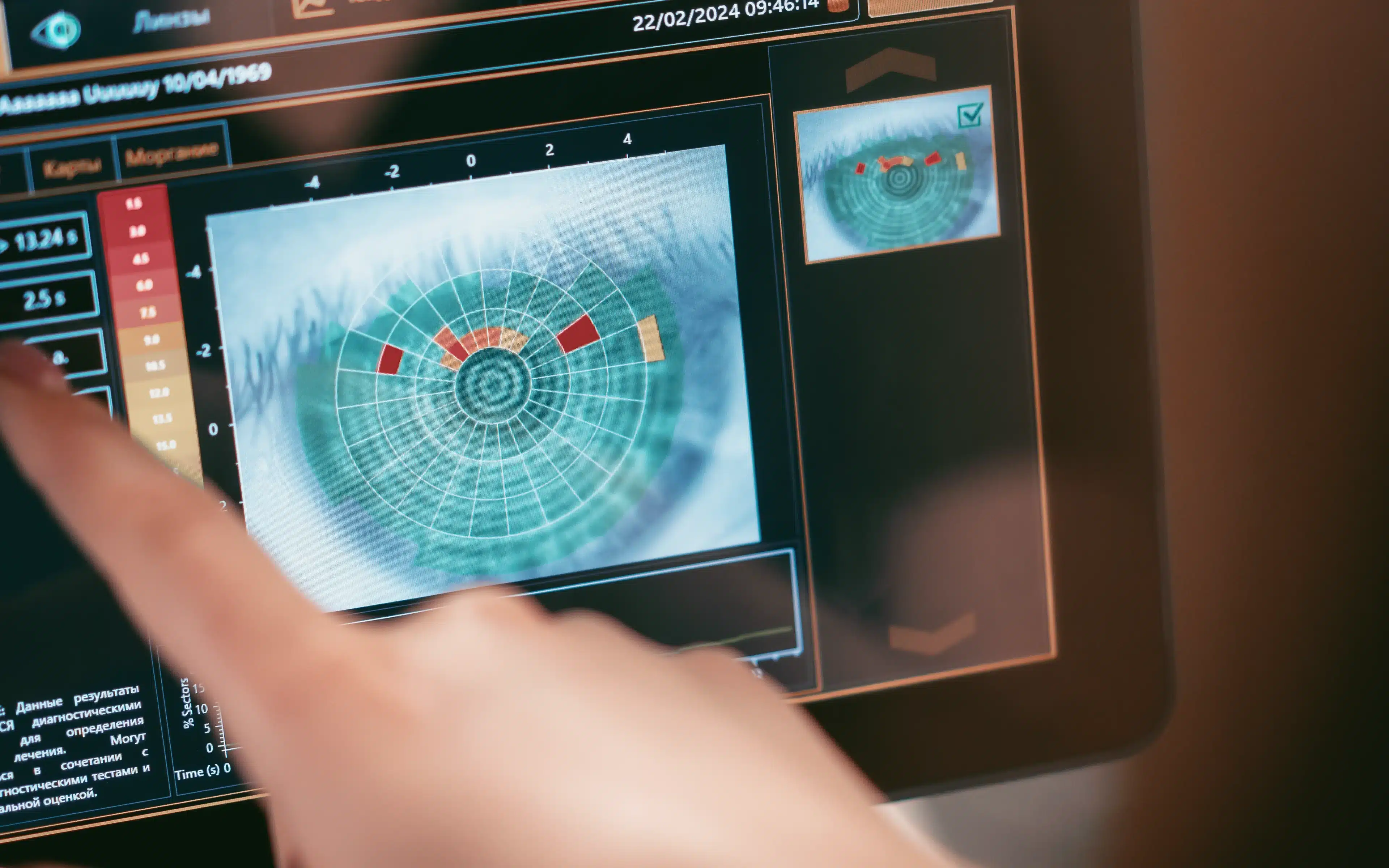
At The Eye Practice, we do far more than test your vision for glasses and contact lenses. Our comprehensive examinations thoroughly assess your eye health inside and out, supported by the latest diagnostic technology. We listen carefully to your concerns and consider all available treatment options to maintain your long-term eye health.
Australia’s harsh UV exposure, low humidity and environmental factors like bushfire smoke place unique stresses on our eyes, making thorough examinations particularly important.
Will you use eye drops?
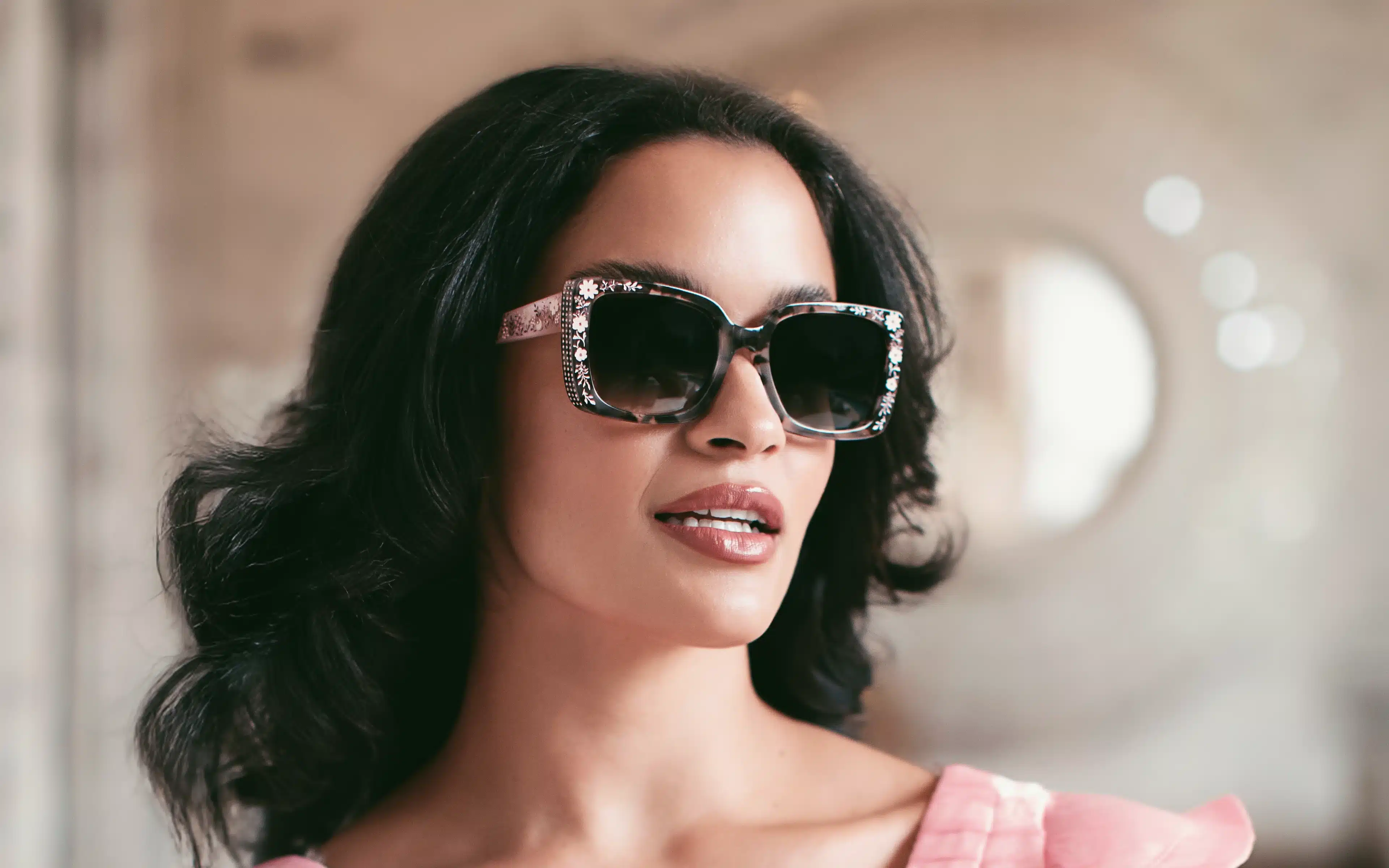
We typically avoid dilating drops in most cases, but sometimes they’re necessary for a thorough examination. Dilating drops enlarge your pupils, which may increase your sensitivity to sunlight and glare for approximately two hours afterwards. If we use these drops, we’ll let you know beforehand. Bring your sunglasses to wear after your appointment – they’ll help reduce glare while the drops wear off.