
Words
Published
They’re larger than traditional lenses, they require specialist fitting, and yes, they come with a premium price tag – but for many Australians struggling with complex eye conditions, scleral contact lenses represent nothing short of a revolution in visual comfort and clarity.
Understanding scleral lenses – and the anatomy they work with
Before we dive into how scleral lenses work, let’s quickly revisit some eye anatomy. Your sclera is simply the white part of your eye – that tough, protective layer that forms the majority of your eyeball’s outer surface. At the front of your eye is the cornea, the clear dome-shaped window that covers your iris (the coloured part) and pupil.
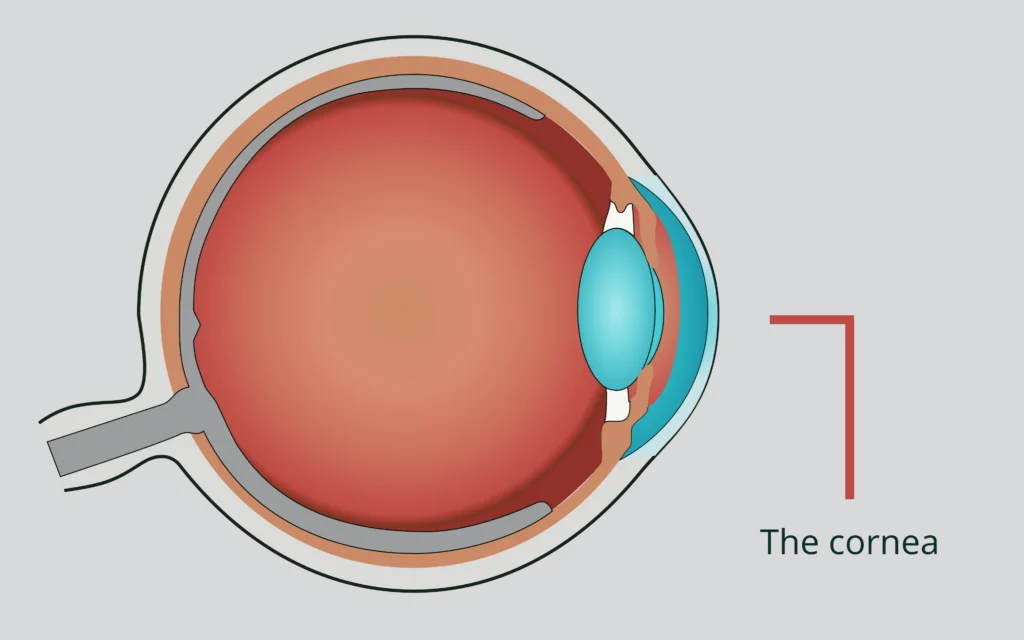
Conventional contact lenses sit directly on your cornea, where they work by altering its refractive surface to improve your vision. But what happens when these conventional lenses don’t provide you with the clarity you need?
Why choose scleral lenses? The challenges they address
For many Australians living with certain eye conditions, traditional contact lenses simply aren’t viable. Here’s why scleral lenses have become such a valuable alternative.
Severe dry eye disease
Australia’s harsh climate – intense UV radiation, low humidity, air conditioning in our homes and offices, and exposure to wind and dust – can wreak havoc on dry eye sufferers. When you have severe dry eye disease, your cornea becomes hypersensitive. Even the lightest touch from a conventional contact lens can trigger significant discomfort or pain.
Research has demonstrated that scleral lenses can provide remarkable relief for people with severe dry eye. Because these lenses vault over the cornea and rest on the less sensitive sclera, they create a protective moisture reservoir between the lens and your corneal surface. This fluid-filled chamber continuously bathes your cornea throughout the day, providing sustained hydration that artificial tears simply can’t match.
For patients who haven’t responded to conventional dry eye treatments – including lubricating drops, anti-inflammatory medications, or procedural interventions – scleral lenses may offer therapeutic benefits beyond just vision correction. They shield your ocular surface from environmental irritants like our notorious Australian winds and airborne particles, whilst simultaneously maintaining that crucial protective tear layer.
Keratoconus
Keratoconus is a progressive condition where the cornea thins and gradually bulges outward into an irregular cone shape, potentially leading to significant visual distortion. Early signs usually arise during puberty or late adolescence and stabilises in the fourth decade of life.
In the early stages, you might manage keratoconus with spectacles or soft contact lenses. However, as the condition advances, these options often become inadequate. Rigid gas-permeable (RGP) contact lenses can provide much sharper vision by creating a smooth refractive surface over the irregular cornea, but here’s the problem – they sit directly on that highly sensitive corneal surface, which many people find very uncomfortable or even intolerable.
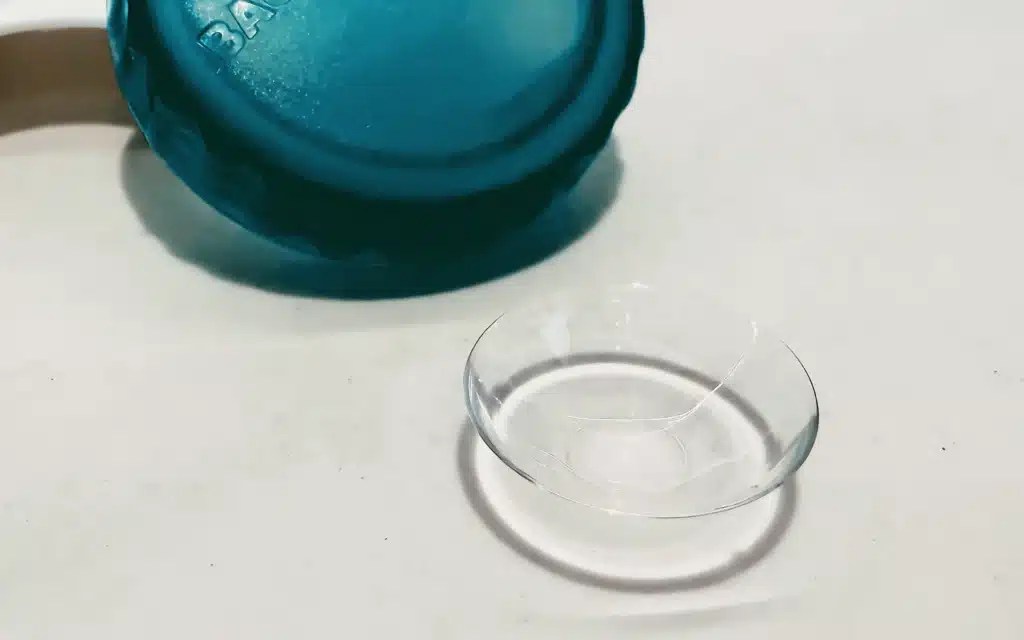
Scleral lenses solve this dilemma. Because they’re larger than the cornea and vault over it completely, meaning they only make contact with the far less sensitive sclera. The space between the lens and your irregular corneal surface is filled with sterile saline, which neutralises the corneal irregularities optically whilst providing comfort. The result? Clear, stable vision without the discomfort associated with corneal RGP lenses.
Studies have shown significant improvements in visual acuity for keratoconus patients fitted with scleral lenses. Many patients who couldn’t achieve functional vision with other non-surgical options find that scleral lenses restore their quality of life remarkably well.
Post-corneal transplant eyes
After a corneal transplant (also called a keratoplasty or corneal graft), your new cornea often has an irregular shape. The graft-host junction can create optical irregularities that are almost impossible to correct with conventional contact lenses – whether soft or rigid corneal types.
After corneal transplant surgery, many patients struggle to achieve clear vision despite having a healthy new cornea. Often scleral lenses provide the only viable solution. These specialised lenses vault over the entire corneal surface, creating a smooth optical interface that compensates for irregularities that can persist after transplant. Modern high-oxygen-permeable materials ensure the transplanted tissue receives adequate oxygen whilst maintaining excellent vision. When fitted correctly, patients enjoy clear, comfortable vision while their cornea remains healthy long-term.
Other indications
Scleral lenses can also benefit people with Stevens-Johnson syndrome, ocular graft-versus-host disease following bone marrow transplantation, post-LASIK or post-PRK complications with irregular corneas, and various other corneal surface disorders. Essentially, when your corneal surface is compromised – whether through disease, injury, or surgical complications – scleral lenses may provide both optical correction and therapeutic benefit.
The advantages – why patients love their scleral lenses
When properly fitted by an experienced specialist, scleral contact lenses offer compelling benefits:
Superior visual quality
Because scleral lenses vault over corneal irregularities and create a smooth optical surface, they typically provide exceptionally clear, crisp vision – often better than any other non-surgical option for people with irregular corneas.
Remarkable comfort
Despite their larger size, most patients find properly fitted scleral lenses extremely comfortable. Because they rest on the relatively insensitive sclera rather than the highly sensitive cornea, and because they tuck neatly under your eyelids, many wearers report that they barely notice them after a short adaptation period. This is particularly true compared to rigid corneal lenses.
The moisture chamber effect
For dry eye sufferers, the continuous hydration provided by the fluid reservoir beneath the lens can be genuinely transformative. Unlike conventional lenses that can dehydrate over the course of the day, scleral lenses maintain that protective liquid cushion, keeping your cornea comfortably hydrated from morning until night.
Exceptional stability
Scleral lenses don’t move around on your eye. They’re larger, more stable, and tuck securely under your eyelids. This makes them excellent for active Australians – whether you’re playing sports, swimming (with appropriate precautions and discussion with your practitioner), or simply getting on with daily life. You won’t be constantly worrying about losing a lens.
Easier handling than you might think
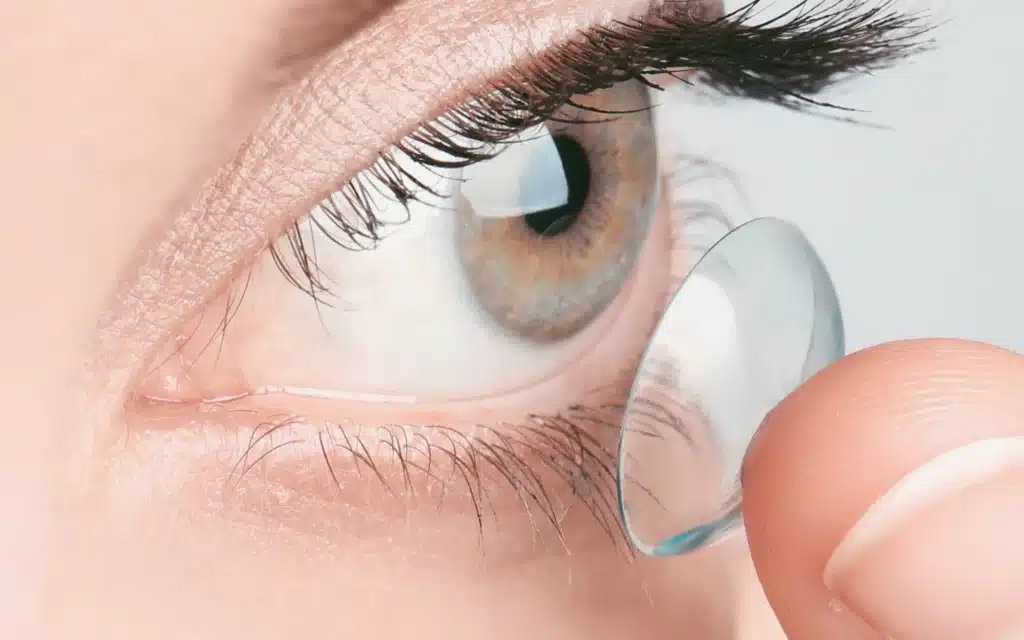
Yes, they’re larger, which can seem daunting initially. However, many patients actually find scleral lenses easier to handle than smaller lenses once they’ve mastered the insertion technique. The larger size gives you something substantial to hold onto, and because they sit on the sclera, they’re more forgiving of slight misalignment during insertion.
Faster adaptation for many patients
Compared to rigid corneal lenses, which can take weeks or even months of gradual wearing time to adapt to, many patients adapt to properly fitted scleral lenses within days. The initial comfort advantage makes all the difference.
The practical realities – what you need to know
Let’s be honest about the considerations you’ll need to weigh when considering scleral lenses.
The investment
Scleral lenses represent a significant financial commitment. In Australia, you’re typically looking at between $1,600 and $1,800 per lens – sometimes more for complex prescriptions or advanced designs. This usually includes the fitting process, but you’ll need to budget for both eyes.
Many private health insurance policies provide some rebate for contact lenses under optical extras cover, but this rarely covers the full cost of specialty lenses like sclerals. It’s worth checking your specific policy carefully. In some cases, if you have a medical condition affecting your cornea, you may be eligible for Medicare or private health insurance benefits that help offset the cost – your practitioner can advise on your specific situation.
Remember too that these lenses can last up to a couple years (or potentially longer with excellent care), meaning the cost per day of wear can actually be quite reasonable when you calculate it over their lifespan.
The size factor
Scleral lenses are noticeably larger than conventional contact lenses. For some people who have a strong blink reflex, the initial prospect of inserting something that size onto your eye can feel intimidating.
However, most patients find this fear diminishes rapidly once they begin the fitting process. Your specialist will guide you through the insertion and removal techniques step by step, and you’d be surprised how quickly it becomes routine. Within a week or two, most patients handle their lenses confidently.
The critical importance of specialist fitting
This cannot be emphasised enough – scleral lens fitting requires genuine expertise. These are not lenses you can order online or have fitted by just any optometrist.
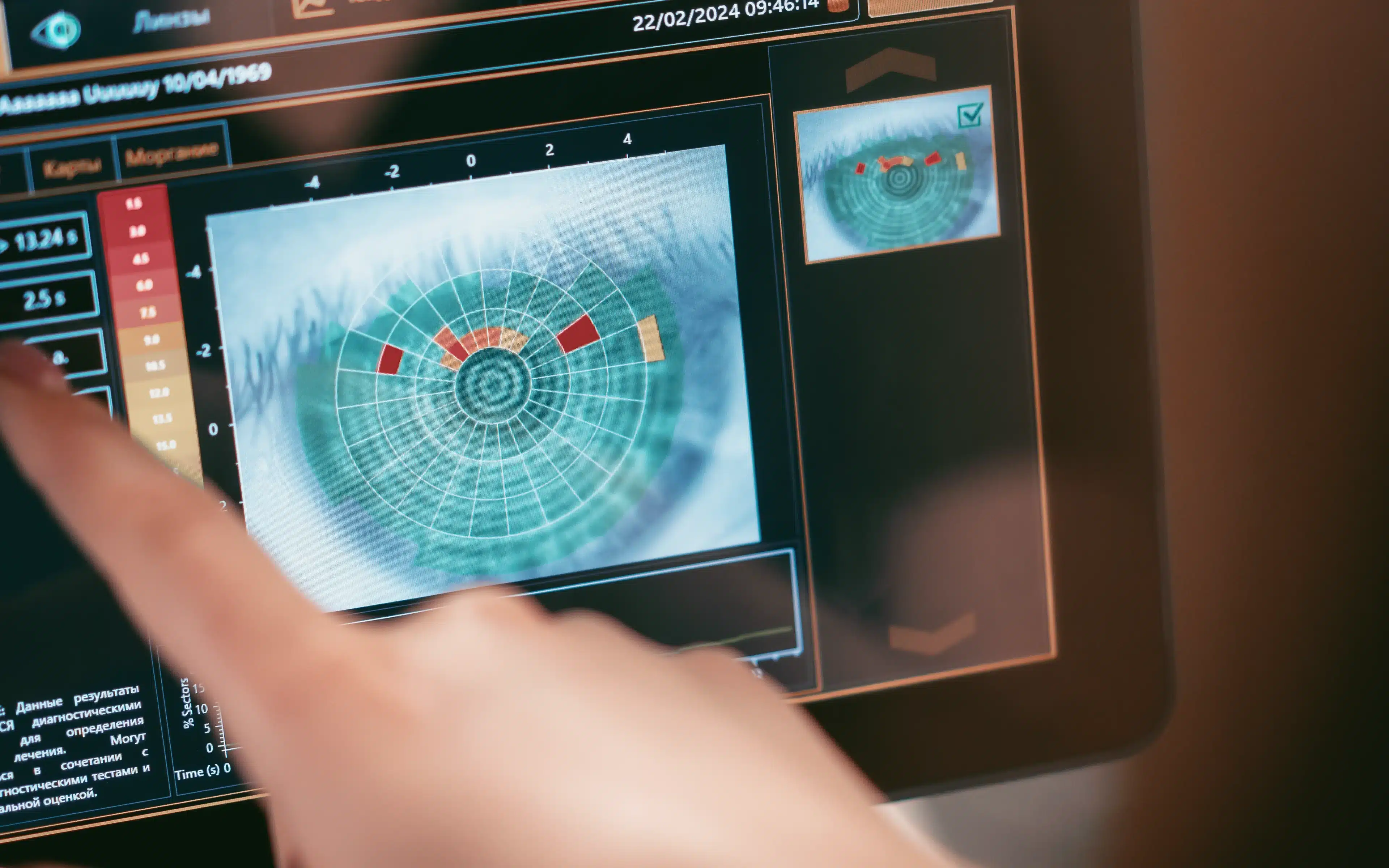
The fitting process involves sophisticated diagnostic technology, including specialised scanning equipment that creates a detailed three-dimensional map of your eye’s surface – both the corneal curvature and the scleral shape. This data is used to design a bespoke lens that matches your unique ocular topography.
An experienced scleral lens specialist understands the subtle nuances of lens design – how much vault you need over the cornea, how the lens should align with your scleral surface, where the landing zones should sit, and how to optimise the tear reservoir. They’ll also manage the wearing schedule, monitor your eye health, and make any necessary adjustments.
In the hands of an expert who fits scleral lenses regularly, the process is typically streamlined. Many patients achieve an excellent fit within two to three visits, though complex cases may require more refinement. Someone without substantial scleral lens experience may struggle to achieve the optimal outcome, potentially leading to discomfort, compromised vision, or even complications.
The fitting process – what to expect
When you attend for a scleral lens consultation, here’s typically what happens:
First, your specialist conducts a comprehensive assessment of your eyes, including detailed corneal topography and scleral mapping using advanced imaging technology. This creates a unique blueprint of your eye’s surface contours.
This data is sent to the lens laboratory, where technicians manufacture a custom lens precisely matched to your eye’s shape. The lens design accounts for your refractive error, the specific corneal irregularities or conditions present, and the unique contours of your sclera.
At your next visit, you’ll try the lens. Your specialist evaluates the fit using specialised equipment, checking the vault height over the cornea, the alignment with the sclera, and how the lens moves (or preferably, doesn’t move) with blinking. They’ll also teach you proper insertion and removal techniques.
Once the fit is optimised, you’ll receive detailed instructions on lens care, wearing schedules, and follow-up appointments. Regular reviews are essential to monitor your eye health and ensure the lenses continue fitting appropriately.
Living with scleral lenses – practical tips
If you proceed with scleral lenses, you’ll want to keep some Australian-specific considerations in mind:
Lens hygiene: Proper lens care and hygiene is essential to prevent possible infections. Always use fresh saline for filling the lens bowl before insertion – never reuse old solution. Clean and store your lenses properly in the recommended disinfecting solution, and replace solutions as directed. Lens cases are replaced ideally every month. Disinfection of all appliances including lens plungers should also be performed weekly. For those prone to protein deposition, there are very strong protein removers which can be used fortnightly or monthly to provide your lenses with a deep clean.

UV protection: Even though scleral lenses provide coverage, don’t skip your UV-protective sunglasses. Australia has some of the highest UV levels in the world, and comprehensive eye protection remains essential.
Travel considerations: If you’re travelling – whether around Australia or overseas – always pack backup supplies. Bring extra saline, your storage case, and your glasses prescription as a backup. Know how to contact your specialist remotely if issues arise.
Healthcare coordination: Keep your various healthcare providers informed. If you’re seeing other specialists or your GP, mention that you wear scleral lenses, particularly if eye drops or other treatments are prescribed.
When to consider scleral lenses
Your eye care specialist will typically progress through less complex and less expensive options before recommending scleral lenses. This might include trying various spectacle prescriptions, soft contact lenses, or rigid corneal lenses first.
However, scleral lenses should definitely be on your radar if:
- You have keratoconus that isn’t well managed with other lens options
- You’ve had a corneal transplant and struggle with conventional lenses
- You have severe dry eye disease that hasn’t responded adequately to medical management
- You have significant corneal irregularity from injury, disease, or surgical complications
- You’ve tried rigid corneal lenses but found them intolerably uncomfortable
- Your quality of life is genuinely impacted by inadequate vision correction or eye discomfort
For many Australians in these situations, scleral lenses genuinely are life-changing. Patients often describe finally being able to drive confidently at night, return to work comfortably, or simply enjoy daily activities without constant eye discomfort – things they’d almost given up on.
The evidence behind scleral lenses
The medical literature increasingly supports the use of scleral lenses for various conditions. Research demonstrates significant improvements in both visual function and quality of life for patients with keratoconus, ocular surface disease, and post-surgical complications.
Studies have shown that most patients successfully fitted with scleral lenses achieve substantial improvements in visual acuity – often reaching 20/20 or near-20/20 vision when other options had left them with considerably poorer outcomes. Comfort levels and wearing times are typically excellent once the adaptation period is complete.
The corneal healing effects observed in patients with ocular surface disease are particularly noteworthy. The protective environment created by scleral lenses can help resolve persistent corneal erosions and reduce surface inflammation in ways that topical treatments alone cannot achieve.
Making the decision
Ultimately, whether scleral lenses are right for you depends on your specific eye condition, your lifestyle needs, your budget, and your willingness to invest the time in the fitting process and ongoing care.
If you’re struggling with inadequate vision or comfort despite other interventions, a consultation with a scleral lens specialist is absolutely worthwhile. They can assess your eyes, discuss whether you’re a good candidate, explain the likely outcomes, and help you weigh the investment against the potential benefits.
For many people, scleral lenses represent the difference between merely coping with compromised vision and genuinely thriving with clear, comfortable sight. They’re not cheap, they require specialist care, and they demand commitment to proper handling and maintenance – but for those who need them, these remarkable lenses can truly be transformative.
The question isn’t whether scleral lenses are the best option for everyone – they’re not. The question is whether they might be the best option for you. And that’s a conversation worth having with an experienced eye care specialist who can guide you through the decision with expertise and honesty
They’re larger than traditional lenses, they require specialist fitting, and yes, they come with a premium price tag – but for many Australians struggling with complex eye conditions, scleral contact lenses represent nothing short of a revolution in visual comfort and clarity.
If you’ve exhausted other options and still find yourself battling with uncomfortable eyes and compromised vision, it might be time to discover whether these remarkable lenses could be your answer.
Understanding scleral lenses – and the anatomy they work with
Before we dive into how scleral lenses work, let’s quickly revisit some eye anatomy. Your sclera is simply the white part of your eye – that tough, protective, spherical layer that forms the majority of your eyeball’s outer surface. At the front of your eye sits the cornea, the clear dome-shaped window that covers your iris (the coloured part) and pupil.
Most conventional contact lenses sit directly on your cornea, where they work by altering its refractive surface to improve your vision. But what happens when your cornea becomes problematic?
Why choose scleral lenses? The challenges they address
For many Australians living with certain eye conditions, traditional contact lenses simply aren’t viable. Here’s why scleral lenses have become such a valuable alternative.
Severe dry eye disease
Australia’s harsh climate – intense UV radiation, low humidity, air conditioning in our homes and offices, and exposure to wind and dust – can wreak havoc on dry eye sufferers. When you have severe dry eye disease, your cornea becomes hypersensitive. Even the lightest touch from a conventional contact lens can trigger significant discomfort or pain.
Research has demonstrated that scleral lenses can provide remarkable relief for people with severe dry eye. Because these lenses vault over the cornea and rest on the less sensitive sclera, they create a protective moisture reservoir between the lens and your corneal surface. This fluid-filled chamber continuously bathes your cornea throughout the day, providing sustained hydration that artificial tears simply can’t match.
For patients who haven’t responded to conventional dry eye treatments – including lubricating drops, anti-inflammatory medications, or procedural interventions – scleral lenses may offer therapeutic benefits beyond just vision correction. They shield your ocular surface from environmental irritants like our notorious Australian winds and airborne particles, whilst simultaneously maintaining that crucial protective tear layer.
Keratoconus
Keratoconus is a progressive condition where the cornea thins and gradually bulges outward into an irregular cone shape. This distorts vision significantly and can progress over approximately ten years, typically beginning in late adolescence or early adulthood.
In the early stages, you might manage keratoconus with spectacles or soft contact lenses. However, as the condition advances, these options often become inadequate. Rigid gas-permeable (RGP) contact lenses can provide much sharper vision by creating a smooth refractive surface over the irregular cornea, but here’s the problem – they sit directly on that highly sensitive corneal surface, which many people find uncomfortable or even intolerable.
Scleral lenses solve this dilemma elegantly. Because they’re larger than the cornea and vault over it completely, they only make contact with the far less sensitive sclera. The space between the lens and your irregular corneal surface is filled with sterile saline, which neutralises the corneal irregularities optically whilst providing comfort. The result? Clear, stable vision without the discomfort associated with corneal RGP lenses.
Studies have shown significant improvements in visual acuity for keratoconus patients fitted with scleral lenses. Many patients who couldn’t achieve functional vision with other non-surgical options find that scleral lenses restore their quality of life remarkably well.
Post-corneal transplant eyes
After a corneal transplant (also called a keratoplasty or corneal graft), your new cornea often has an irregular shape. The graft-host junction can create optical irregularities that are almost impossible to correct with conventional contact lenses – whether soft or rigid corneal types.
Scleral lenses are frequently the gold standard for post-transplant visual rehabilitation. They can accommodate even significant irregularities, providing excellent visual outcomes whilst supporting corneal health during the critical healing period and beyond.
Other indications
Scleral lenses can also benefit people with Stevens-Johnson syndrome, ocular graft-versus-host disease following bone marrow transplantation, post-LASIK or post-PRK complications with irregular corneas, and various other corneal surface disorders. Essentially, when your corneal surface is compromised – whether through disease, injury, or surgical complications – scleral lenses may provide both optical correction and therapeutic benefit.
The advantages – why patients love their scleral lenses
When properly fitted by an experienced specialist, scleral contact lenses offer compelling benefits:
Superior visual quality
Because scleral lenses vault over corneal irregularities and create a smooth optical surface, they typically provide exceptionally clear, crisp vision – often better than any other non-surgical option for people with irregular corneas.
Remarkable comfort
Despite their larger size, most patients find properly fitted scleral lenses extremely comfortable. Because they rest on the relatively insensitive sclera rather than the highly sensitive cornea, and because they tuck neatly under your eyelids, many wearers report that they barely notice them after a short adaptation period. This is particularly true compared to rigid corneal lenses.
The moisture chamber effect
For dry eye sufferers, the continuous hydration provided by the fluid reservoir beneath the lens can be genuinely transformative. Unlike conventional lenses that can dehydrate over the course of the day, scleral lenses maintain that protective liquid cushion, keeping your cornea comfortably hydrated from morning until night.
Exceptional stability
Scleral lenses don’t move around on your eye. They’re larger, more stable, and tuck securely under your eyelids. This makes them excellent for active Australians – whether you’re playing sports, swimming (with appropriate precautions and discussion with your practitioner), or simply getting on with daily life. You won’t be constantly worrying about losing a lens.
Easier handling than you might think
Yes, they’re larger, which can seem daunting initially. However, many patients actually find scleral lenses easier to handle than smaller lenses once they’ve mastered the insertion technique. The larger size gives you something substantial to hold onto, and because they sit on the sclera, they’re more forgiving of slight misalignment during insertion.
Faster adaptation for many patients
Compared to rigid corneal lenses, which can take weeks or even months of gradual wearing time to adapt to, many patients adapt to properly fitted scleral lenses within days. The initial comfort advantage makes all the difference.
The practical realities – what you need to know
Let’s be honest about the considerations you’ll need to weigh when considering scleral lenses.
The investment
Scleral lenses represent a significant financial commitment. In Australia, you’re typically looking at between $1,600 and $1,800 per lens – sometimes more for complex prescriptions or advanced designs. This usually includes the fitting process, but you’ll need to budget for both eyes.
Many private health insurance policies provide some rebate for contact lenses under optical extras cover, but this rarely covers the full cost of specialty lenses like sclerals. It’s worth checking your specific policy carefully. In some cases, if you have a medical condition affecting your cornea, you may be eligible for Medicare or private health insurance benefits that help offset the cost – your practitioner can advise on your specific situation.
Remember too that these are annual replacement lenses (or potentially longer with excellent care), so the cost per day of wear can actually be quite reasonable when you calculate it over their lifespan.
The size factor
Scleral lenses are noticeably larger than conventional contact lenses. For some people, particularly those who are needle-shy or have a strong blink reflex, the initial prospect of inserting something that size onto your eye can feel intimidating.
However, most patients find this fear diminishes rapidly once they begin the fitting process. Your specialist will guide you through the insertion and removal techniques step by step, and you’d be surprised how quickly it becomes routine. Within a week or two, most patients handle their lenses confidently.
The critical importance of specialist fitting
This cannot be emphasised enough – scleral lens fitting requires genuine expertise. These are not lenses you can order online or have fitted by just any optometrist.
The fitting process involves sophisticated diagnostic technology, including specialised scanning equipment that creates a detailed three-dimensional map of your eye’s surface – both the corneal curvature and the scleral shape. This data is used to design a bespoke lens that matches your unique ocular topography precisely.
An experienced scleral lens specialist understands the subtle nuances of lens design – how much vault you need over the cornea, how the lens should align with your scleral surface, where the landing zones should sit, and how to optimise the tear reservoir. They’ll also manage the wearing schedule, monitor your eye health, and make any necessary adjustments.
In the hands of an expert who fits scleral lenses regularly, the process is typically streamlined. Many patients achieve an excellent fit within two to three visits, though complex cases may require more refinement. Someone without substantial scleral lens experience may struggle to achieve the optimal outcome, potentially leading to discomfort, compromised vision, or even complications.
The fitting process – what to expect
When you attend for a scleral lens consultation, here’s typically what happens:
First, your specialist conducts a comprehensive assessment of your eyes, including detailed corneal topography and scleral mapping using advanced imaging technology. This creates a unique blueprint of your eye’s surface contours.
This data is sent to the lens laboratory, where technicians manufacture a custom lens precisely matched to your eye’s shape. The lens design accounts for your refractive error, the specific corneal irregularities or conditions present, and the unique contours of your sclera.
At your next visit, you’ll try the lens. Your specialist evaluates the fit using specialised equipment, checking the vault height over the cornea, the alignment with the sclera, and how the lens moves (or preferably, doesn’t move) with blinking. They’ll also teach you proper insertion and removal techniques.
Many patients achieve excellent results with the initial lens, whilst others may need minor modifications. The more experienced your fitter, the more likely you are to succeed quickly.
Once the fit is optimised, you’ll receive detailed instructions on lens care, wearing schedules, and follow-up appointments. Regular reviews are essential to monitor your eye health and ensure the lenses continue fitting appropriately.
Living with scleral lenses in Australia – practical tips
If you proceed with scleral lenses, you’ll want to keep some Australian-specific considerations in mind:
Climate management: Our hot, dry climate means you’ll need to stay on top of your lens care routine. Always use fresh saline for filling the lens bowl before insertion – never reuse old solution. Store your lenses properly in the recommended disinfecting solution, and replace solutions as directed.
UV protection: Even though scleral lenses provide coverage, don’t skip your UV-protective sunglasses. Australia has some of the highest UV levels in the world, and comprehensive eye protection remains essential.
Travel considerations: If you’re travelling – whether around Australia or overseas – always pack backup supplies. Bring extra saline, your storage case, and your glasses prescription as a backup. Know how to contact your specialist remotely if issues arise.
Healthcare coordination: Keep your various healthcare providers informed. If you’re seeing other specialists or your GP, mention that you wear scleral lenses, particularly if eye drops or other treatments are prescribed.
When to consider scleral lenses
Your eye care specialist will typically progress through less complex and less expensive options before recommending scleral lenses. This might include trying various spectacle prescriptions, soft contact lenses, or rigid corneal lenses first.
However, scleral lenses should definitely be on your radar if:
- You have keratoconus that isn’t well managed with other lens options
- You’ve had a corneal transplant and struggle with conventional lenses
- You have severe dry eye disease that hasn’t responded adequately to medical management
- You have significant corneal irregularity from injury, disease, or surgical complications
- You’ve tried rigid corneal lenses but found them intolerably uncomfortable
- Your quality of life is genuinely impacted by inadequate vision correction or eye discomfort
For many Australians in these situations, scleral lenses genuinely are life-changing. Patients often describe finally being able to drive confidently at night, return to work comfortably, or simply enjoy daily activities without constant eye discomfort – things they’d almost given up on.
The evidence behind scleral lenses
The medical literature increasingly supports the use of scleral lenses for various conditions. Research demonstrates significant improvements in both visual function and quality of life for patients with keratoconus, ocular surface disease, and post-surgical complications.
Studies have shown that most patients successfully fitted with scleral lenses achieve substantial improvements in visual acuity – often reaching 20/20 or near-20/20 vision when other options had left them with considerably poorer outcomes. Comfort levels and wearing times are typically excellent once the adaptation period is complete.
The corneal healing effects observed in patients with ocular surface disease are particularly noteworthy. The protective environment created by scleral lenses can help resolve persistent corneal erosions and reduce surface inflammation in ways that topical treatments alone cannot achieve.
Making the decision
Ultimately, whether scleral lenses are right for you depends on your specific eye condition, your lifestyle needs, your budget, and your willingness to invest the time in the fitting process and ongoing care.
If you’re struggling with inadequate vision or comfort despite other interventions, a consultation with a scleral lens specialist is absolutely worthwhile. They can assess your eyes, discuss whether you’re a good candidate, explain the likely outcomes, and help you weigh the investment against the potential benefits.
For many people, scleral lenses represent the difference between merely coping with compromised vision and genuinely thriving with clear, comfortable sight. They’re not cheap, they require specialist care, and they demand commitment to proper handling and maintenance – but for those who need them, these remarkable lenses can truly be transformative.
The question isn’t whether scleral lenses are the best option for everyone – they’re not. The question is whether they might be the best option for you. And that’s a conversation worth having with an experienced eye care specialist who can guide you through the decision with expertise and honesty.