This condition mainly effects older people and can be uncomfortable and unsightly, but is usually easy to treat.
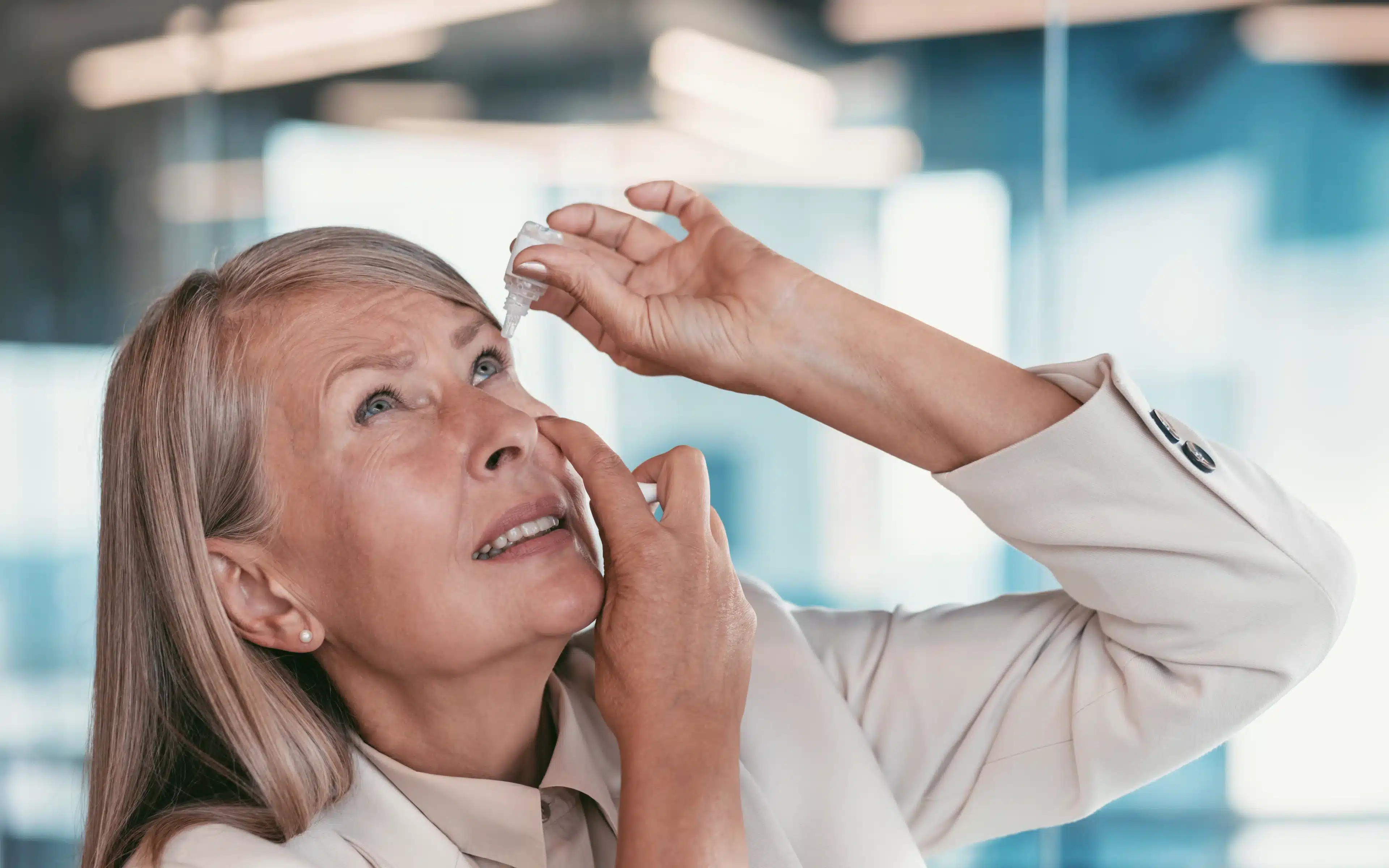
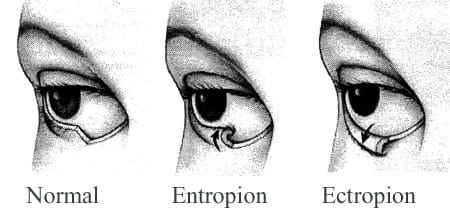
If you have ectropion, your eyelids (mostly the lower) turn outwards, leaving your eye exposed. This can lead to gritty, sore, irritated eyes and also to chronic dry eyes, as the tear film no longer functions properly.
Symptoms of Ectropion
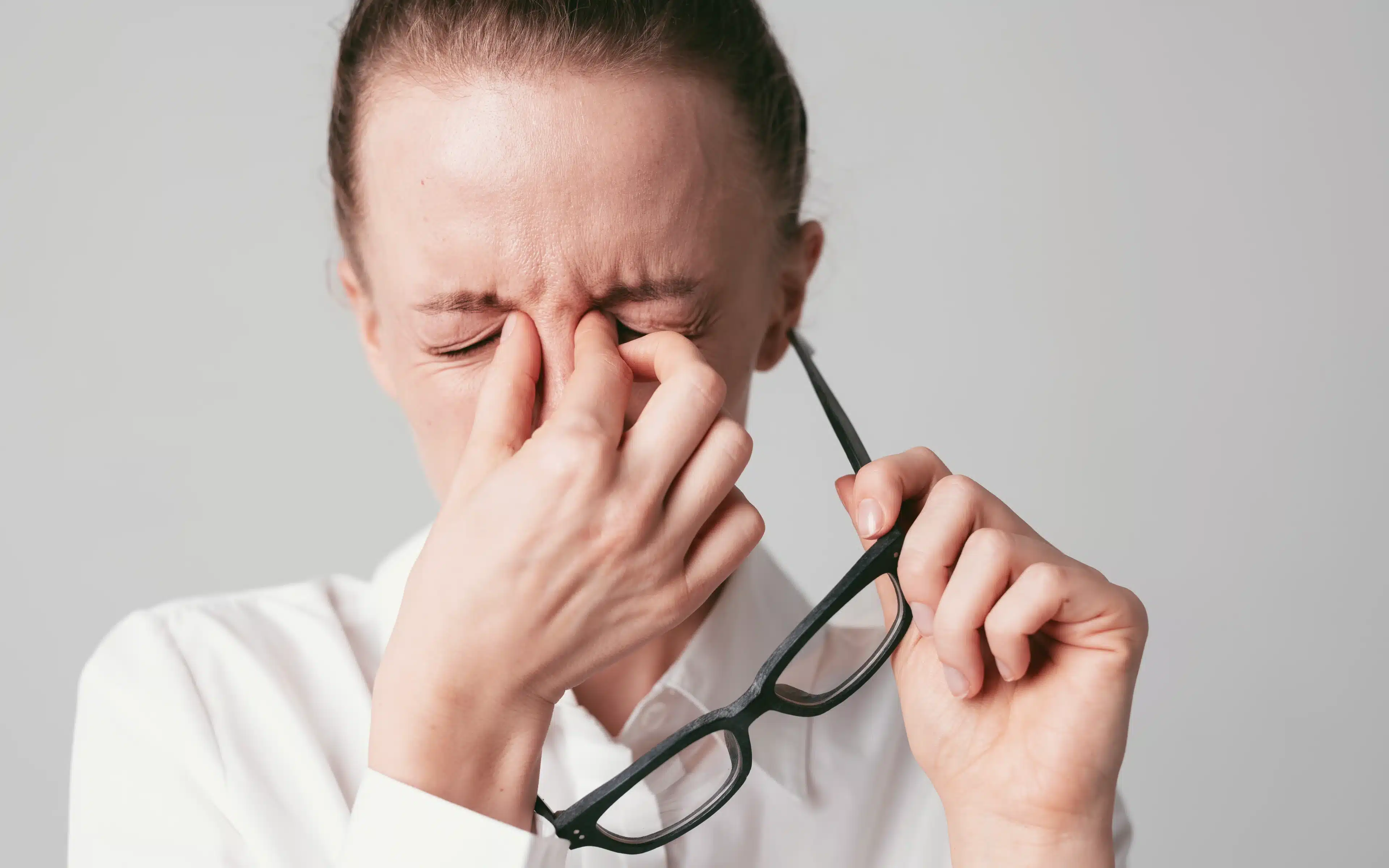
Most symptoms are associated with the tear film:- Watery eyes (also called epiphora) which may weep, especially in wind or cold
- Dry eyes – as the tears are not held in the eye, you can experience chronic and severe dryness
- Irritation – a burning or stinging sensation
- Redness, of both the inner eyelids and the eye itself (due to exposure)
- Light sensitivity
Causes of Ectropion
- Age-related loss of muscle tone and skin elasticity is the most common cause
- Facial nerve palsies and other paralysis
- Facial surgeries (such as the removal of eyelid tumours)
- Scarring from facial trauma
- Congenital causes
- Eyelid growths – benign or cancerous
Ectropion Treatment
Mild cases of ectropion require no treatment, other than the use of artificial tears to lubricate and protect the exposed surface of the eye. Moderate to severe cases require surgery to restore the lid to its correct position. The type of surgery depends on the cause of this eye condition.- If it is caused by lax muscles and skin around the eyes, the procedure involves removing some tissue from the lower eyelid, near the outer corner of your eye. The resulting gap is sutured closed, which tightens the eyelid against the eye.
- If your ectropion is caused by scarring, you may need a skin graft, with tissue often taken from behind your ear. This is more complex surgery.
Ectropion in Dogs
Yes, the family pet can also suffer from ectropion, especially certain breeds, such as Bassett Hounds and Cocker Spaniels. It effects the lower lids and often appears to cause no symptoms (such as watering). If symptoms such as watering and redness occur, a small surgical procedure can be performed.What to do if you think you have Ectropion
If your eyes are red, watery and the lower eyelids look like they are sagging away from the surface of the eye, see your optometrist. They will examine your eyes under a slit-lamp biomicroscope and advise you on whether a referral to a surgeon is required or if you can manage it with artificial tears. Remember, if it’s bothering you cosmetically or in terms of discomfort, you don’t have to live with it. Unlike many other forms of red eyes or dry eye, ectropion does have a ‘quick fix’ , which involves a relatively simply surgical procedure.About the Author: The Eye Practice team

Our team of ophthalmology writers combines clinical expertise and plain-English storytelling to help you understand your eye health and treatment options.
Comments
Free resources
Sign up
Latest news