
Words
Published
Navigating contact lens wear can raise many questions. At The Eye Practice, we’ve compiled answers to the most frequent concerns we hear from Australian patients about safe lens handling, proper care, and maximising comfort in our demanding climate.
Understanding lens movement and safety
Can contact lenses disappear behind your eyes?
A common worry, but thankfully impossible. The conjunctiva – a thin tissue covering the white of your eye – connects to the inside of your eyelids, creating a natural barrier that prevents anything from slipping behind the eye. Soft contact lenses can occasionally slide beneath your upper or lower lid, making them tricky to locate. If you cannot find a displaced lens yourself, contact The Eye Practice immediately. Our optometrists will safely remove it for you.
Proper storage and care essentials
Why solution matters
Never store contact lenses dry or in tap water. Soft lenses will dehydrate and become unusable without appropriate solution. Australian tap water contains microorganisms that pose serious infection risks to your cornea – the clear front surface of your eye. Always use proper disinfecting solution for cleaning and storage to prevent potentially sight-threatening complications.
Navigating eye drops and contact lenses
Not all eye drops suit contact lens wear. Many contain preservatives that bind to lens materials, causing irritation or damage. The Eye Practice can recommend specific formulations compatible with your lens type. Given Australia’s harsh UV exposure, dust, and environmental stressors, choosing the right lubricating drops becomes particularly important for contact lens wearers managing dryness.
Cosmetics and contact lenses
Applying make-up safely
You can absolutely wear make-up with contact lenses – just follow the right sequence. Insert your lenses before applying cosmetics. This prevents transferring make-up onto lenses during insertion and gives you clear vision whilst applying your make-up. Remove lenses before removing make-up at day’s end.
Troubleshooting common issues
Identifying lens mix-ups
Think you’ve swapped lenses between eyes? Cover each eye alternately and check your vision. Blurry vision indicates the wrong lens. Simply swap them and recheck.
Detecting lost lenses
Suspect a lens has fallen out? Cover your other eye and assess the vision in the questionable eye. Blurry vision suggests the lens has either dislodged from your cornea or left your eye entirely.
Recognising inside-out lenses
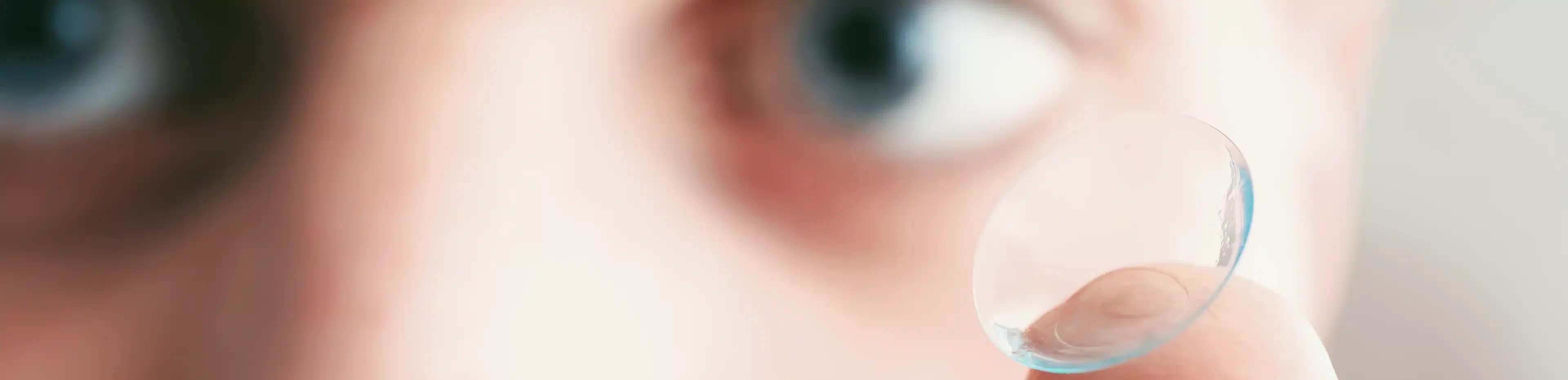
Soft lenses flip inside-out easily. An inverted lens resists insertion and feels uncomfortable. When correctly oriented, a soft lens forms a smooth, rounded bowl shape – like a contact lens should.
Replacement schedules and wearing times
Following disposal timelines
Your Eye Practice optometrist will specify exactly when to dispose of and replace your lenses. Adhering to these schedules minimises complications and maintains optimal eye health. Daily disposables mean daily replacement; fortnightly lenses last fourteen days – not longer.
Recommended wearing duration
Modern lens materials allow more oxygen transmission than ever before, yet your eyes still need regular breaks from contact lenses to receive maximum oxygen. Most lenses suit 8 to 10 hours of daily wear. Extended-wear lenses permit continuous wear for up to 30 days, though The Eye Practice recommends removing them for at least one full day weekly to let your eyes breathe properly – particularly important given Australia’s demanding environmental conditions.
Specialised fitting options
Contact lenses for astigmatism
Many Australians with astigmatism remain unaware that specialised contact lenses exist for their prescription. The Eye Practice offers expert fittings for all astigmatism types, including irregular astigmatism associated with keratoconus – a progressive corneal condition more prevalent in our population due to genetic factors and UV exposure.
The essential hygiene routine
Cleaning your contact lenses after every wear prevents infection. The cleaning process removes surface debris and bacteria that accumulate on lenses throughout the day. Always wash your hands thoroughly before handling lenses – whether inserting, removing, or cleaning them. This simple step dramatically reduces infection transmission to your eyes.
Regular eye examinations with your optometrist remain crucial for contact lens wearers. Schedule your appointment at The Eye Practice to discuss any concerns and ensure your lenses continue providing safe, comfortable vision in Australia’s challenging climate.