
Most people think of the gut and the eyes as entirely separate systems. One helps you digest food, the other helps you see the world. What could they possibly have in common? As it turns out – quite a lot.
“All disease begins in the gut.”
Hippocrates of Kos (Hippokrátēs ho Kṓos: c. 460–c. 370 BCE)
Emerging research is reshaping the way we think about eye health, revealing a surprisingly direct relationship between your gut microbiome and the health of your eyes. For patients already managing dry eye, macular degeneration, or glaucoma, this science has some real practical implications.
At The Eye Practice, we believe true eye care goes beyond checking your prescription. Comprehensive eye examinations should involve deeper assessment, because your eyes are often the first place your body reveals that something deeper needs attention.
The gut-eye axis: how two distant systems speak to each other
Your gut is home to trillions of microorganisms that collectively form what scientists call the gut microbiome. When this community is diverse and balanced, it helps regulate immune function, control inflammation, and maintain protective barriers throughout the body. When this balance is disrupted – a state known as dysbiosis – the consequences can extend well beyond the digestive tract.
The gut microbiota influences ocular health through:
- immune modulation
- maintenance of the blood-retinal barrier
- production of beneficial metabolites
- support of tear production and ocular surface health
Dysbiosis can disrupt these mechanisms, contributing to inflammation, tissue damage, and disease progression across a range of eye conditions.1 The gut communicates with the eye primarily through the immune system, the bloodstream, and systemic inflammation – a slow, quiet process that can, over time, have significant consequences for vision.

Dry eye, AMD, and glaucoma
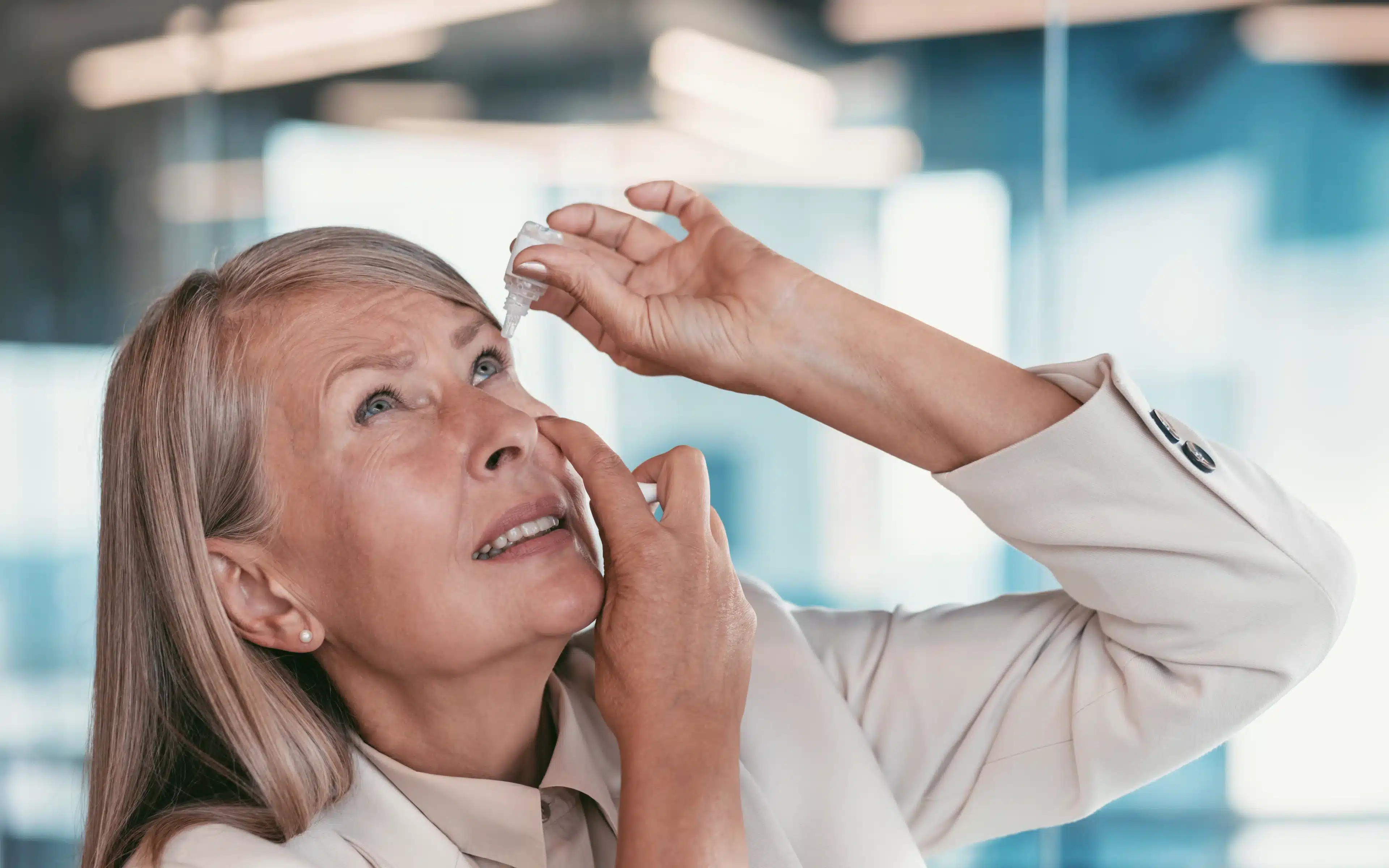
Dry eye is one of the most common conditions we manage at The Eye Practice, and its relationship with gut health is particularly well documented. It is often treated as a local problem – eye drops, compresses, lid hygiene – but for many patients, an underlying gut issue may co-exist. Gut bacteria produce short-chain fatty acids that help regulate immune responses and support the glands responsible for tear secretion. When dysbiosis reduces the production of these compounds, the result can be reduced tear quality and greater ocular surface instability – symptoms that look and feel like conventional dry eye but may not respond fully to topical treatment alone.
For Australians, this connection deserves extra attention. Our hot climate, dry summers, high UV exposure, and heavy reliance on air conditioning already place the ocular surface under considerable stress at baseline. Gut dysbiosis can amplify that stress from within. If your dry eye keeps returning, it may be worthwhile to consider targeting gut health as well as topical treatment.
Age-related macular degeneration (AMD) is the leading cause of permanent vision loss in Australians over 50, and the gut-retina link here is one of the most actively researched areas in ophthalmology.2 Perturbations in gut microbiota can influence the neuroretina and adjacent retinal tissues through chronic inflammation and altered immune responses. The retina is highly sensitive to inflammation, and the gut is one of the body’s most powerful regulators of it. Encouragingly, some research suggests that AMD progression may be slowed and in some circumstances, even prevented, with dietary changes.3 – a finding that reinforces an important truth: retinal health is not isolated from the rest of the body.
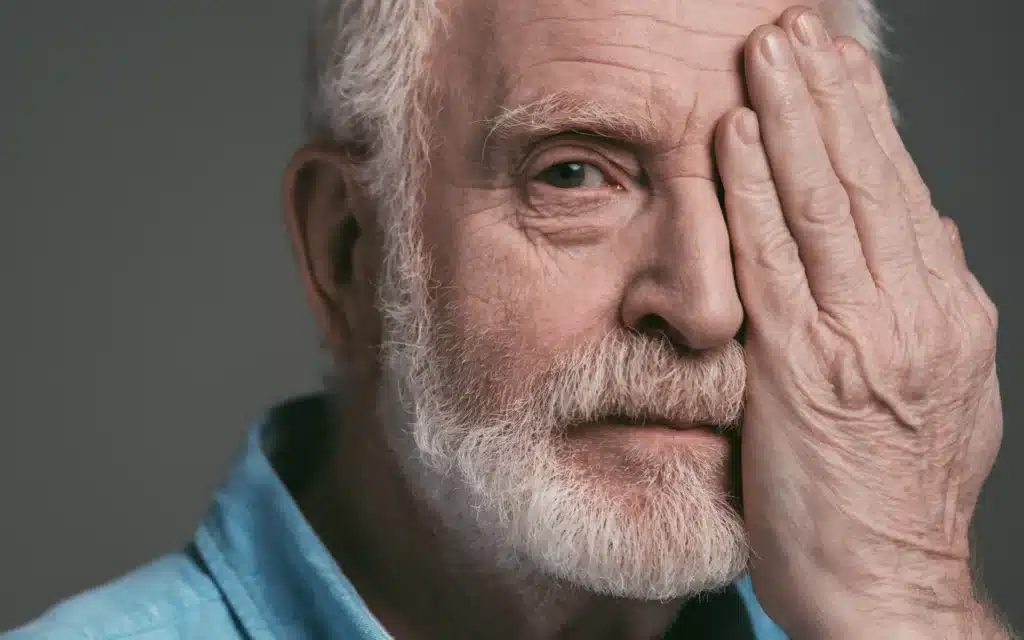
Glaucoma – also known as the silent thief of sight – is increasingly being understood as more than just an eye pressure problem. It is now recognised as a possible immune system-related disorder, with gut bacteria potentially influencing ocular regulation through immune responses at the optic nerve level. For patients with a family history of glaucoma, this adds another reason to take gut health seriously as part of a broader approach to eye care.
What you can do for your gut – and your eyes
The good news is this: the gut microbiome is highly responsive to lifestyle. The key disruptors – ultra-processed food, excess sugar, alcohol, antibiotic overuse, chronic stress, and poor sleep – are largely within our control to modify.
Supporting gut health starts with simple, sustainable dietary habits. A diet rich in plant diversity provides the fibre that feeds beneficial gut bacteria. Fermented foods such as yoghurt, kefir, kimchi, and sauerkraut introduce live bacterial cultures that support microbial balance. Regular moderate physical activity independently supports greater gut microbial diversity.
Probiotics and dietary modifications show promise in addressing gut-related drivers of eye disease, though the science on specific formulations is still evolving. Before adding a probiotic supplement, it is worth discussing with your health care provider which strains are appropriate for your individual health needs.
Why a comprehensive eye examination matters
Many eye diseases linked to inflammation develop gradually and silently. Patients often assume symptoms are simply part of getting older, or wait until their vision becomes noticeably worse. By then, opportunities for early intervention may have been missed.
A specialised comprehensive eye examination looks beyond vision alone, assessing the health of your retina, macula, optic nerve and ocular surface. This enables us to distinguish whether symptoms are localised or part of a broader systemic picture, as the eyes are often an early window into overall health.
If you are experiencing dry eye, have a family history of glaucoma, concerns about macular degeneration, or simply want a more thorough understanding of your eye health, now is the time to book a specialised comprehensive eye examination.
The bigger picture
Looking after your gut may offer one of the most overlooked forms of protection for your long-term vision. At The Eye Practice, we take a deeper approach to eye care – because preserving sight is not just about seeing clearly today, but protecting how you will see tomorrow.
About the Author: The Eye Practice team